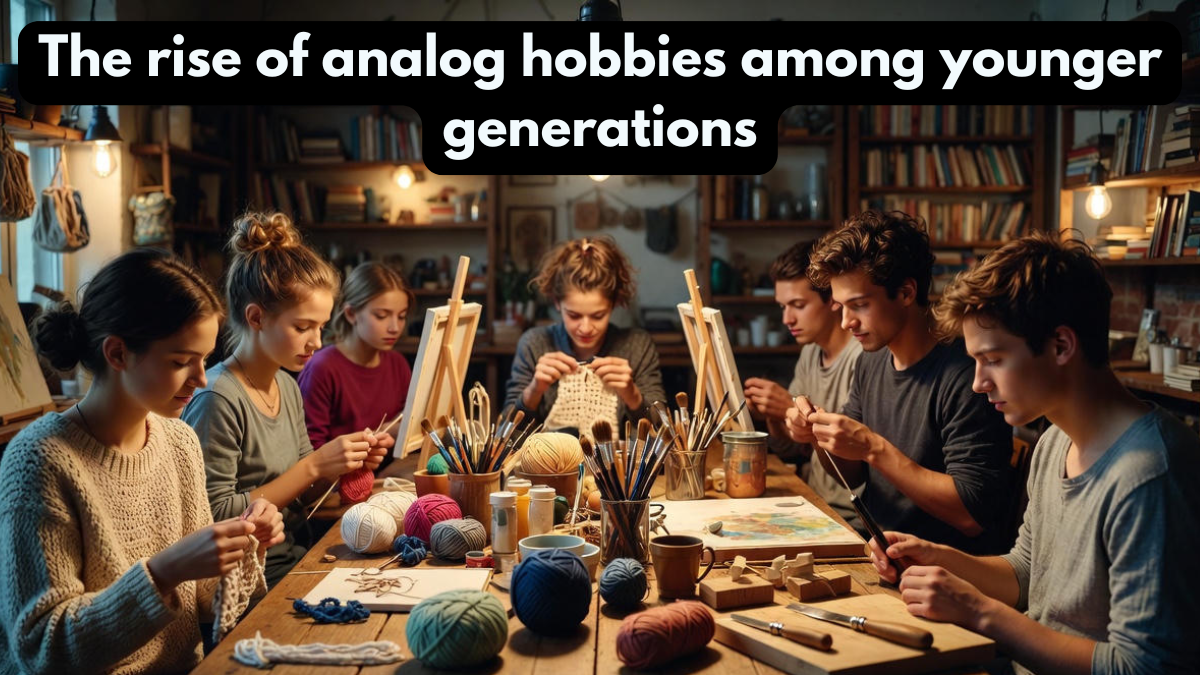
In an age dominated by smartphones and digital entertainment, the growing interest in analog hobbies might seem unexpected. Yet these traditional, hands-on activities are becoming one of the most noticeable gen z trends, embraced by young people seeking balance, creativity, and emotional grounding. Whether it’s film photography, journaling, knitting, painting, or vinyl collecting, analog pursuits offer something digital experiences rarely provide: slowness, presence, and genuine tactile engagement. As digital fatigue becomes more common, younger generations are rediscovering the comfort and authenticity of offline experiences.
Why Gen Z is returning to slower experiences
The rise of analog hobbies is partly a response to the constant stimulation of modern technology. Many young people feel overwhelmed by screens, notifications, and the fast pace of online life. Through gen z trends, analysts observe that this generation values mental well-being and intentional living more than previous groups. Analog activities help reduce stress by offering slower, more mindful alternatives. Instead of nonstop digital consumption, these hobbies encourage creativity, patience, and reflection. This shift shows a desire not to escape technology entirely, but to balance it with meaningful tactile experiences.
The emotional appeal of analog hobbies
Another major reason analog hobbies are gaining popularity is their emotional richness. Activities like journaling, sketching, or playing acoustic instruments allow individuals to express themselves in a way that feels personal and grounded. These hobbies help young people disconnect from comparison culture and rediscover the joy of exploration without external pressure. As gen z trends continue to highlight mental health awareness, analog practices have become a form of self-care. They provide a quiet space to think, feel, and reconnect with the physical world—something digital platforms often struggle to support.
Comparing analog and digital hobbies
The following table demonstrates how analog hobbies and digital hobbies differ, especially in relation to emerging gen z trends around wellness and creativity:
| Aspect | Analog Hobbies | Digital Hobbies |
|---|---|---|
| Sensory Experience | Tactile, hands-on, physically grounding | Screen-based, visually dominant |
| Emotional Impact | Encourages mindfulness and calm | Can create overstimulation |
| Creativity | Open-ended, slower creative flow | Fast-paced, structured options |
| Social Connection | Often shared offline through clubs or circles | Usually experienced online |
| Mental Health Benefits | Supports relaxation and presence | Risk of burnout or distraction |
This comparison shows why younger generations are gravitating toward analog options—they provide depth and calm in an era that often feels rushed and noisy.
The cultural significance of analog revival
The renewed interest in analog hobbies is part of a larger cultural movement driven by authenticity, nostalgia, and the search for identity. Many gen z trends reflect a longing for real-world experiences in contrast to increasingly simulated digital environments. Vinyl records, polaroid cameras, handmade crafts, and physical books symbolize permanence and personal touch. These items create emotional bonds because they represent time, effort, and individuality. For younger generations, analog tools remind them that creativity does not have to be perfect, effortless, or instantly shared online. Instead, the value lies in the process.
Additionally, social media plays an interesting role in this analog resurgence. While young people escape digital overload by engaging in offline hobbies, they also use online spaces to share their creations, document progress, and connect with others who share similar passions. This interplay between online and offline worlds demonstrates that gen z trends are not anti-technology but pro-balance. Analog and digital coexist, each offering value depending on the moment and purpose.
How analog hobbies support long-term well-being
For many young people, analog hobbies provide long-term benefits that go beyond entertainment. Activities that involve touch, rhythm, and repetitive motion—like painting, pottery, or woodworking—activate parts of the brain associated with emotional regulation and focus. These activities also help manage anxiety by grounding attention in the present moment. As awareness grows around mental health, gen z trends continue to emphasize the importance of stepping away from screens. Analog practices become tools for reflection, creativity, and personal growth, making them ideal for sustainable well-being.
Moreover, analog hobbies often foster deeper community connections. From crafting circles to photography clubs, young people engage in in-person gatherings that build friendships and shared experiences. These connections help offset the social fragmentation sometimes caused by digital communication. The physical environment, hands-on participation, and mutual enthusiasm in these communities make them particularly powerful for young individuals seeking authentic relationships.
Conclusion
The renewed fascination with analog hobbies among younger generations is a meaningful response to the pressures of digital life. As gen z trends prioritize well-being, creativity, and authenticity, analog activities offer a way to slow down, reconnect with the self, and enjoy tactile experiences that feel honest and grounding. Far from rejecting technology, this movement reflects a desire for healthier balance—one where offline creativity enriches life as much as digital convenience does. As more young people embrace analog hobbies, these practices will continue shaping how future generations find joy, community, and emotional stability.
FAQs
Why are analog hobbies becoming popular again?
Analog hobbies offer tactile, calming experiences that support mental well-being, making them appealing within modern gen z trends.
How do analog hobbies help with stress?
Their slow, hands-on nature allows individuals to unplug and relax, helping reduce overwhelm from digital life.
Are analog hobbies replacing digital hobbies?
Not entirely. Instead, analog hobbies complement digital activities, reflecting gen z trends focused on balance.
Which analog hobbies are most popular among Gen Z?
Film photography, journaling, knitting, vinyl collecting, and painting are among the top gen z trends today.
Can analog hobbies improve creativity?
Yes, the tactile experience of analog hobbies encourages deeper focus and more intentional creative exploration.
Click here to learn more