Modern parenting has changed significantly over the past decade. Parents today are more involved in their children’s education, emotional health, daily routines, and even small personal decisions than ever before. While support and guidance are important, excessive involvement has created a growing concern known as overparenting effects on kids. This parenting style often begins with good intentions but can create long-term emotional and developmental challenges.
The discussion around overparenting effects on kids has become stronger because many experts now link it to anxiety, low confidence, and reduced problem-solving skills in children. The growing helicopter parenting impact is visible in schools, friendships, and even early adulthood. When parents constantly manage every challenge, child independence often becomes weaker, making it harder for children to grow into confident and responsible adults.
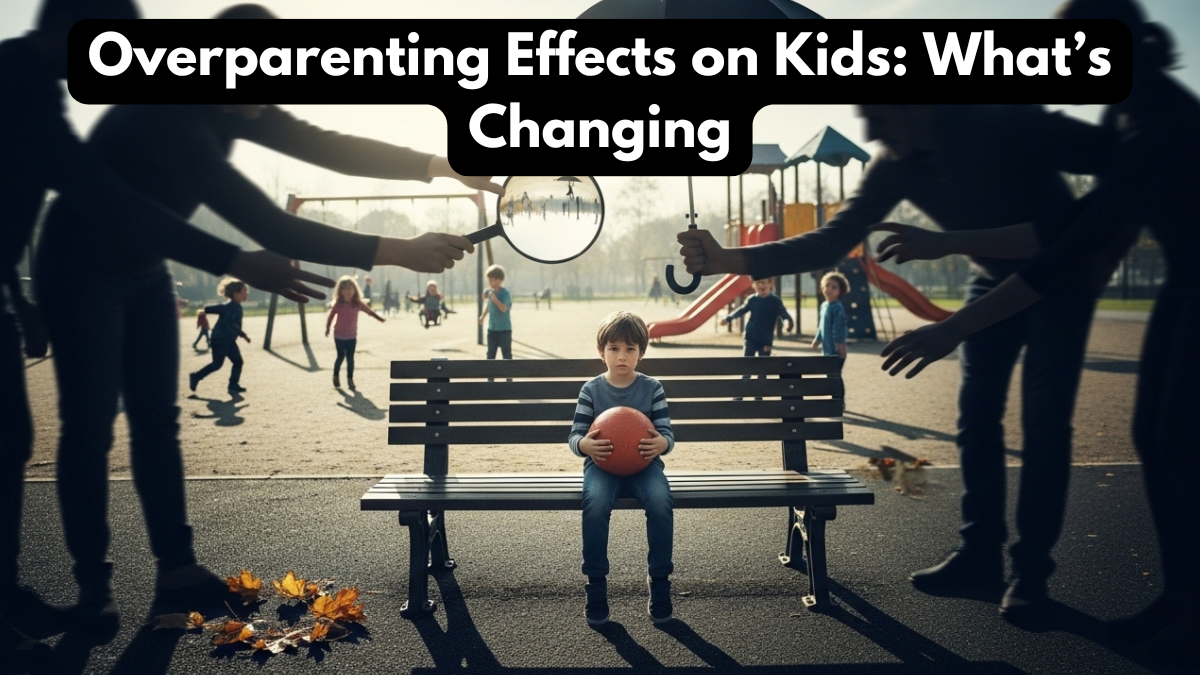
What Is Overparenting and Why Is It Increasing?
Overparenting effects on kids usually begin when parents try to control too many aspects of a child’s life, including school performance, friendships, hobbies, and emotional decisions. This often includes solving every problem immediately, avoiding failure at all costs, and protecting children from discomfort or disappointment.
The term helicopter parenting impact refers to parents who “hover” over every part of a child’s life. They monitor constantly, make decisions for the child, and intervene quickly whenever difficulties appear. While the goal is usually protection, the result can reduce emotional growth and resilience.
In today’s world, social pressure, academic competition, and parenting comparison through social media have made this trend more common. Many parents feel responsible for creating a “perfect” path for their children, but this often delays healthy child independence and decision-making abilities.
Common Overparenting Effects on Kids
The most visible overparenting effects on kids appear in confidence, emotional stability, and daily responsibility. Children who are over-managed may struggle to handle simple setbacks because they are not used to solving problems on their own.
Common effects include:
- Fear of failure
- Low decision-making confidence
- Increased anxiety and stress
- Poor emotional resilience
- Dependence on parental approval
- Difficulty managing responsibility
The long-term helicopter parenting impact can continue into college and work life. Young adults may struggle with independence because they were rarely allowed to make mistakes or learn from consequences. This weakens child independence, which is one of the most important life skills for adulthood.
How Child Independence Gets Affected
Healthy child independence develops when children are allowed to make age-appropriate choices, experience failure, and solve manageable problems. When parents control everything, children may become skilled at following instructions but weak at making decisions.
Here is a simple comparison:
| Parenting Style | Short-Term Result | Long-Term Effect |
|---|---|---|
| Balanced guidance | Safe learning environment | Strong confidence |
| Constant parental control | Immediate problem-solving | Low independence |
| Support with responsibility | Emotional growth | Better decision-making |
| Overprotection from failure | Temporary comfort | Fear of risk-taking |
| Encouraging self-management | Responsibility building | Strong adult resilience |
This table shows how the helicopter parenting impact may feel helpful in the short term but creates larger challenges later. Strong child independence requires trust, patience, and space to learn naturally.
Why Parents Often Don’t Notice the Problem
Many parents involved in overparenting effects on kids do not realize they are crossing healthy boundaries. Their actions often come from love, fear, or a desire to protect children from pain. In competitive school systems and fast-moving social environments, parents feel pressure to stay constantly involved.
The problem is that excessive help can quietly replace growth opportunities. If every conflict is solved by adults, children never practice conflict resolution themselves. If every academic decision is controlled, they never learn ownership of responsibility.
The emotional side of helicopter parenting impact is often hidden. Children may appear successful academically while quietly struggling with self-confidence and emotional dependence. This makes reducing overparenting more important for long-term mental well-being and stronger child independence.
Creating Healthier Parenting Balance
Avoiding overparenting effects on kids does not mean becoming distant or uninvolved. It means shifting from control to guidance. Children still need support, but they also need space to learn through real experiences.
Helpful parenting practices include:
- Allowing children to make small decisions
- Letting them experience natural consequences
- Encouraging problem-solving before stepping in
- Supporting effort instead of perfection
- Teaching responsibility gradually
- Accepting mistakes as part of growth
Reducing helicopter parenting impact helps children develop stronger confidence and life skills. Parents who support rather than control create better emotional resilience and stronger child independence over time.
Conclusion
Understanding overparenting effects on kids is important because parenting habits shape emotional development far beyond childhood. While protection is natural, too much control can weaken confidence, increase anxiety, and delay maturity. Children need guidance, but they also need freedom to make mistakes and grow through experience.
The long-term helicopter parenting impact can affect school life, relationships, and adulthood if children are not given enough responsibility early. Building stronger child independence helps children become emotionally stronger, more confident, and better prepared for real life. Modern parenting works best when support and independence grow together.
FAQs
What are the main overparenting effects on kids?
The main overparenting effects on kids include low confidence, anxiety, poor decision-making skills, and dependence on parents for solving everyday problems.
What is helicopter parenting impact?
Helicopter parenting impact refers to the emotional and developmental effects caused when parents are overly involved in every part of a child’s life.
Why is child independence important?
Strong child independence helps children build confidence, solve problems, manage responsibility, and become emotionally prepared for adulthood.
Can overparenting affect teenagers too?
Yes, teenagers often experience strong overparenting effects on kids, especially in academics, friendships, and personal decision-making, which can reduce self-confidence.
How can parents reduce helicopter parenting?
Parents can reduce helicopter parenting impact by allowing children to make choices, learn from mistakes, and handle age-appropriate responsibilities on their own.
Click here to learn more