Across different continents, there are countless abandoned cities around the world that once thrived with busy streets, growing populations, and active economies. Today, many of these locations stand completely empty, frozen in time after disasters, wars, environmental changes, or economic collapse forced residents to leave. These silent urban areas attract historians, travelers, photographers, and explorers who are fascinated by the mysterious stories hidden within deserted buildings and forgotten streets.
Many of these ghost cities offer powerful reminders of how quickly human civilization can change. Some were abandoned suddenly after nuclear accidents or natural disasters, while others slowly declined due to failing industries or political conflicts. Exploring these remarkable lost places reveals important lessons about history, survival, urban planning, and environmental challenges. Their haunting appearance continues to capture global curiosity because they represent both the fragility and resilience of human society.
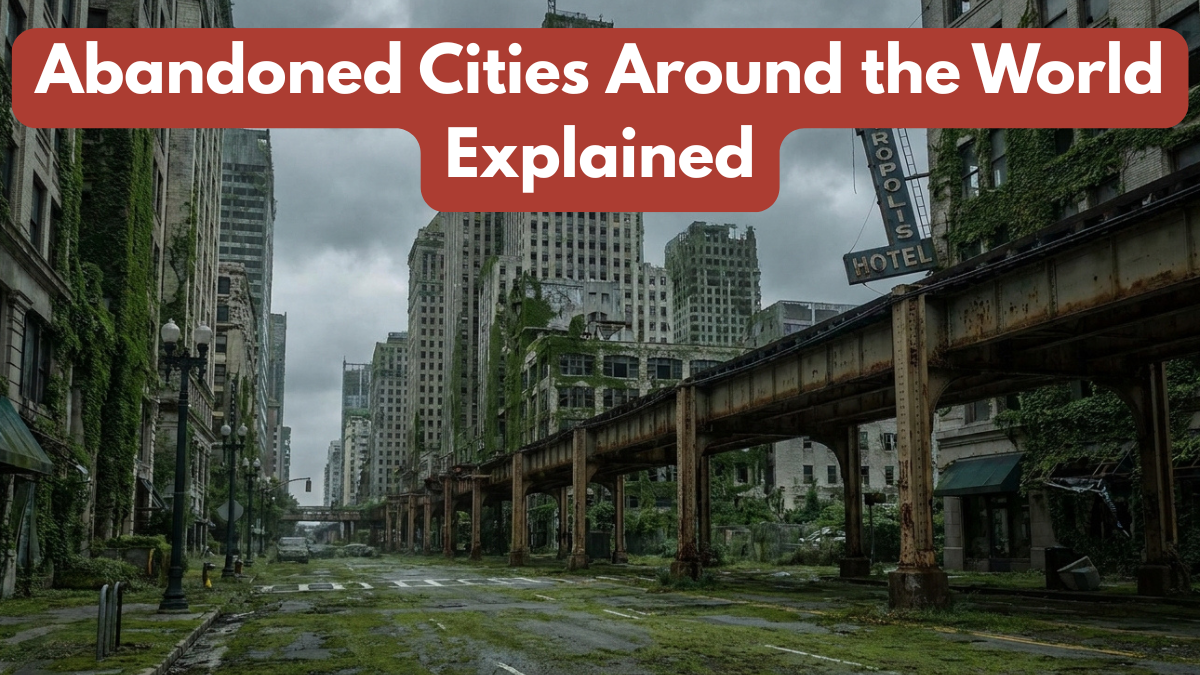
Why Cities Become Abandoned
There are several reasons why abandoned cities around the world exist today. In many cases, environmental disasters made regions unsafe for human life. Earthquakes, volcanic eruptions, floods, droughts, and nuclear accidents have forced entire populations to evacuate permanently. One of the most famous ghost cities is Pripyat in Ukraine, abandoned after the 1986 Chernobyl nuclear disaster exposed residents to dangerous radiation.
Economic decline is another major factor behind many lost places. Some towns were built entirely around mining, factories, or industrial projects. Once industries collapsed or resources disappeared, residents lost jobs and moved elsewhere in search of better opportunities. This pattern created numerous deserted communities across North America, Europe, and Asia.
Wars and political instability have also contributed to the rise of abandoned cities around the world. Military conflicts often destroy infrastructure, damage economies, and force civilians to flee dangerous regions. Over time, some cities recover, while others remain permanently deserted due to ongoing instability or environmental contamination.
These abandoned urban spaces often become symbols of historical change, reminding people how quickly once-successful communities can disappear under difficult circumstances.
Famous Ghost Cities Around the World
Several ghost cities have become internationally famous because of their dramatic histories and eerie appearances. These places attract tourists and researchers interested in exploring forgotten urban environments.
Some well-known abandoned cities around the world include:
- Pripyat, Ukraine
- Hashima Island, Japan
- Centralia, Pennsylvania, USA
- Kolmanskop, Namibia
- Craco, Italy
- Oradour-sur-Glane, France
Pripyat remains one of the most recognized lost places because of the Chernobyl disaster. Buildings, schools, amusement parks, and apartments still contain belongings left behind during the sudden evacuation.
Hashima Island in Japan was once a densely populated mining community. After coal demand declined, residents abandoned the island, leaving behind concrete apartment complexes slowly being reclaimed by nature. Similarly, Centralia became one of America’s most unusual ghost cities after an underground coal fire forced residents to leave decades ago.
These locations continue attracting filmmakers, historians, photographers, and urban explorers fascinated by abandoned architecture and historical mysteries.
Table of Notable Abandoned Cities Around the World
| City | Country | Reason for Abandonment | Current Status |
|---|---|---|---|
| Pripyat | Ukraine | Nuclear disaster | Tourist attraction |
| Hashima Island | Japan | Industrial decline | Historical site |
| Centralia | USA | Underground coal fire | Nearly deserted |
| Kolmanskop | Namibia | Diamond mining collapse | Tourist destination |
| Craco | Italy | Landslides and earthquakes | Historic preservation |
| Oradour-sur-Glane | France | World War II destruction | Memorial site |
These abandoned cities around the world continue serving as reminders of historical tragedies, environmental dangers, and economic transformations.
The preservation of these ghost cities also helps future generations understand the social and environmental conditions that caused communities to disappear.
The Fascination With Lost Places
People around the world are deeply fascinated by lost places because they offer rare glimpses into frozen moments of history. Empty homes, abandoned schools, rusting vehicles, and decaying infrastructure create emotional connections to the lives once lived there. Many explorers describe these places as both haunting and beautiful because nature slowly reclaims areas once dominated by humans.
The popularity of urban exploration photography has increased global interest in abandoned cities around the world. Social media platforms frequently showcase stunning images of crumbling buildings covered by vegetation, abandoned amusement parks, and empty streets trapped in silence. These visuals create curiosity about what happened to the people who once called these locations home.
Many ghost cities also inspire documentaries, films, books, and video games because of their mysterious atmosphere. Their stories often involve disaster, survival, or historical conflict, making them emotionally powerful subjects for storytelling.
However, exploring lost places can be dangerous. Some abandoned structures are unstable, contaminated, or legally restricted. Authorities often warn visitors about risks involving radiation, toxic materials, collapsing buildings, or wildlife inhabiting deserted regions.
How Nature Reclaims Abandoned Cities
One of the most fascinating aspects of abandoned cities around the world is how nature gradually takes over areas once controlled by humans. Without maintenance, buildings deteriorate quickly as plants, animals, and weather conditions reshape urban landscapes.
In many ghost cities, trees grow through roads and buildings while animals return to previously crowded environments. Scientists have studied these areas to understand how ecosystems recover after human activity disappears. Around Chernobyl, wildlife populations increased significantly despite radiation concerns, demonstrating nature’s ability to adapt under unusual conditions.
Several lost places now appear almost unrecognizable because forests, sand, or vegetation have consumed former neighborhoods and industrial zones. In Kolmanskop, Namibia, desert sand fills abandoned homes once occupied by wealthy diamond miners. Similar transformations can be seen in tropical regions where humidity accelerates plant growth and structural decay.
This process of natural reclamation highlights the temporary nature of human construction and the long-term resilience of ecosystems. Many environmental researchers consider abandoned urban spaces valuable for studying climate effects, biodiversity recovery, and ecological adaptation.
Lessons From Ghost Cities
The stories behind abandoned cities around the world provide important lessons about sustainability, urban planning, and disaster preparedness. Many communities collapsed because of overdependence on single industries, environmental neglect, or poor infrastructure planning. These historical examples help governments and planners better understand risks connected to rapid urban growth.
Studying ghost cities also helps experts improve emergency evacuation systems and environmental safety standards. Nuclear accidents, industrial pollution, and climate-related disasters continue threatening populations globally, making historical case studies increasingly relevant.
In addition, many lost places preserve cultural and historical memories that might otherwise disappear. Museums, memorials, and preservation projects help maintain public awareness about the events that forced communities to abandon these areas.
As tourism grows around abandoned locations, some governments have started carefully managing access to protect both visitors and historical structures. Responsible tourism allows people to learn about these places while preserving their historical significance for future generations.
Conclusion
The mysterious stories behind abandoned cities around the world continue capturing global attention because they reveal how quickly thriving communities can vanish. Whether caused by disasters, war, economic collapse, or environmental change, these haunting locations provide valuable insights into human history and survival.
Exploring ghost cities allows people to witness the effects of time, nature, and historical events in powerful ways. These fascinating lost places remind humanity about the importance of sustainability, preparation, and resilience while preserving memories of communities that once flourished within now-empty streets and buildings.
FAQ
What are abandoned cities around the world?
These are cities or towns where most or all residents permanently left due to disasters, economic collapse, war, or environmental problems.
Why do ghost cities become abandoned?
Ghost cities are often abandoned because of industrial decline, natural disasters, pollution, war, or dangerous living conditions.
Are lost places safe to visit?
Some lost places are open to tourism, but others may contain dangerous structures, radiation, or environmental hazards.
Which is the most famous abandoned city in the world?
Pripyat in Ukraine is one of the most famous abandoned cities around the world because of the Chernobyl nuclear disaster.
Why are ghost cities popular with tourists?
Many people are fascinated by history, photography, mystery, and urban exploration, making ghost cities popular travel destinations.
Click here to learn more