Flamingos are among the most recognizable birds in the world because of their striking pink feathers and elegant appearance. Many people wonder why flamingos are pink and how these birds develop such unusual coloration. Unlike many animals that are naturally born with bright colors, flamingos actually gain their famous pink shade over time through their diet and biological processes. Scientists studying animal biology consider flamingos a fascinating example of how nutrition and environment can influence physical appearance in the natural world.
The mystery surrounding why flamingos are pink has attracted researchers and bird lovers for decades. Their unique feathers are not simply decorative but are linked to survival, communication, and mating behavior. The study of bird coloration helps scientists understand how animals adapt to their environments and use color for different biological purposes. Flamingos demonstrate one of the clearest examples of how food and biology combine to create extraordinary features in wildlife.
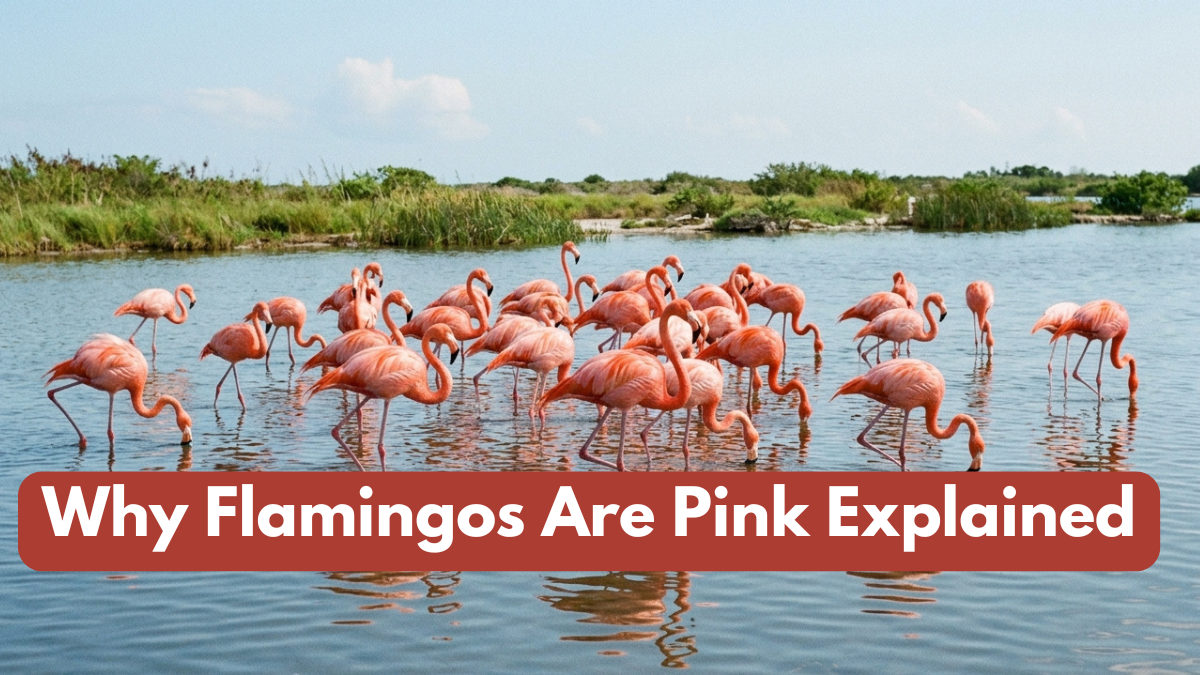
The Real Reason Flamingos Are Pink
The primary explanation behind why flamingos are pink comes from their diet. Flamingos eat algae, shrimp, and small crustaceans that contain natural pigments called carotenoids. These pigments are rich in reddish-orange compounds that gradually accumulate in the flamingo’s feathers, skin, and beak.
When flamingos digest food containing carotenoids, special enzymes in their bodies break down the pigments and deposit them into growing feathers. Over time, this process creates the bright pink appearance associated with these birds. Scientists studying animal biology compare this process to how carrots contain pigments that can slightly affect skin tone in humans when eaten excessively.
Young flamingos are usually born with gray or white feathers. As they mature and consume more carotenoid-rich food, their feathers slowly turn pink. This transformation is one of the most famous examples of bird coloration influenced directly by diet.
Here is a table showing how flamingo diets affect feather color:
| Flamingo Diet | Pigment Source | Feather Color Result |
|---|---|---|
| Algae | Beta-carotene | Light Pink |
| Shrimp | Astaxanthin | Bright Pink |
| Small Crustaceans | Carotenoids | Deep Pink |
| Poor Pigment Diet | Low carotenoids | Pale or White Feathers |
This table helps explain why flamingos are pink and how diet plays a major role in their appearance.
How Bird Coloration Helps Flamingos Survive
The study of bird coloration reveals that flamingo color is more than just visually attractive. Their pink feathers serve several important purposes related to communication, health, and reproduction.
Brighter flamingos are often considered healthier because strong coloration indicates a rich and nutritious diet. During mating season, flamingos display their feathers in large groups to attract partners. Birds with deeper pink shades are often more successful in finding mates because their color signals good health and strong survival abilities.
Scientists studying animal biology have also discovered that flamingos actively maintain their feather color. Some flamingos spread oil from special glands across their feathers to enhance brightness, similar to using natural cosmetics.
Important functions of flamingo coloration include:
- Attracting mates
- Signaling health status
- Social communication
- Group recognition
- Species identification
These behaviors further explain why flamingos are pink and why color remains an important survival tool in the bird world.
The Science of Pigments and Animal Biology
Understanding why flamingos are pink requires knowledge of pigments and how they function in nature. Carotenoids are common pigments found in plants, algae, and some marine organisms. Animals cannot produce carotenoids naturally, so they must obtain them through food.
In the field of animal biology, carotenoids are known for supporting immune systems, reproduction, and cellular health. Flamingos use these pigments not only for feather color but also for maintaining healthy skin and body tissues.
Scientists studying bird coloration have discovered that different flamingo species may show slightly different shades depending on habitat and food availability. Some species appear pale pink, while others display deep reddish-orange feathers.
Factors influencing flamingo coloration include:
- Type of food consumed
- Availability of carotenoid-rich algae
- Age of the bird
- Health condition
- Environmental conditions
This combination of biology and environmental adaptation continues making flamingos an important subject in animal biology research.
Why Some Flamingos Lose Their Pink Color
Another interesting aspect of why flamingos are pink involves situations where flamingos lose their color. If flamingos stop eating foods rich in carotenoids, their feathers may gradually fade and become lighter.
This sometimes happens in captivity when birds do not receive proper nutrition. Zoos and wildlife centers often provide specialized diets to maintain healthy flamingo coloration. Without enough pigment-rich food, flamingos can become pale or nearly white over time.
Researchers studying bird coloration have also found that stress, illness, and aging may influence feather brightness. During periods of poor health, flamingos may use carotenoids for immune system support rather than feather pigmentation.
This relationship between health and color provides scientists valuable insights into animal biology and how physical appearance reflects internal health conditions in wildlife species.
Flamingos and Their Unique Place in Nature
Flamingos are among the most socially organized birds in the world. They often gather in enormous colonies containing thousands of individuals. Their synchronized movements and colorful appearance create one of nature’s most impressive wildlife displays.
The mystery of why flamingos are pink has helped scientists better understand evolutionary adaptation and environmental influence in animals. Flamingos show how food sources and biological systems can shape physical characteristics over time.
Interesting flamingo facts include:
- Flamingos can stand on one leg for long periods
- They filter food from water using specialized beaks
- Some flamingo colonies contain over one million birds
- Their pink color intensifies during mating season
- Flamingos can live for several decades
Research into bird coloration continues helping scientists understand not only flamingos but also many other colorful species across the animal kingdom.
The Role of Bird Coloration in Evolution
The study of bird coloration plays a major role in understanding evolution and adaptation. Bright colors can help attract mates, intimidate rivals, or provide camouflage depending on the species.
In flamingos, pink coloration became an advantage because it signals health and successful feeding ability. Scientists researching animal biology believe such traits become stronger over generations through natural selection.
The question of why flamingos are pink also demonstrates how environmental resources influence physical evolution. Since flamingos rely heavily on specific food sources for coloration, changes in habitat or food availability can directly affect their appearance and reproductive success.
Modern research continues exploring how pigments impact animal behavior, communication, and survival strategies throughout nature.
Conclusion
The mystery behind why flamingos are pink is a fascinating combination of diet, chemistry, and evolution. Through consuming carotenoid-rich foods like algae and shrimp, flamingos develop their iconic pink feathers over time. This remarkable process makes them one of the best-known examples of bird coloration in the natural world.
Scientists studying animal biology continue learning how flamingo coloration affects health, communication, and reproduction. Their bright appearance is not just beautiful but also deeply connected to survival and adaptation.
As research into wildlife biology advances, flamingos remain one of nature’s most extraordinary examples of how food and environment can shape the appearance of living creatures.
FAQs
Why are flamingos pink instead of white?
Flamingos become pink because of carotenoid pigments found in algae, shrimp, and crustaceans they eat. These pigments accumulate in their feathers over time.
Are flamingos born pink?
No, baby flamingos are usually born with gray or white feathers. Their feathers gradually turn pink as they consume carotenoid-rich foods.
Can flamingos lose their pink color?
Yes, flamingos can lose their pink color if they do not consume enough carotenoid-rich food or experience poor health conditions.
What is bird coloration?
Bird coloration refers to the colors and patterns found in bird feathers, often influenced by pigments, genetics, and environmental factors.
Why is flamingo color important?
Flamingo color helps attract mates, signal good health, and support social communication within large flamingo colonies.
Click here to learn more